Coastal environments present unique challenges for builders today. The salty air acts as a constant corrosive force. Specifically, standard metal hardware fails quickly near the ocean. Rust can destroy structural integrity within just months. Consequently, choosing the right stainless steel fasteners is absolutely vital. Most professionals debate between two popular grades: 304 and 316. This article explores their differences in detail. We will help you protect your coastal projects effectively.
Saltwater is incredibly aggressive toward most building materials. Specifically, chloride ions penetrate deep into metal surfaces. This leads to a destructive process called "pitting." Standard carbon steel will crumble under these harsh conditions. Even some low-grade alloys struggle to survive. Therefore, you must prioritize high-quality stainless steel fasteners. Failing to do so leads to expensive repairs. Furthermore, it can compromise the safety of your structures. Always think about long-term durability before you buy.
Grade 304 is the most common stainless steel worldwide. Specifically, it contains high levels of chromium and nickel. These elements provide excellent resistance to general corrosion. Consequently, it works perfectly for indoor furniture and kitchens. However, it has a significant weakness in coastal areas. It lacks Molybdenum, which protects against chloride-induced pitting. Therefore, 304 may develop "tea staining" near the sea.
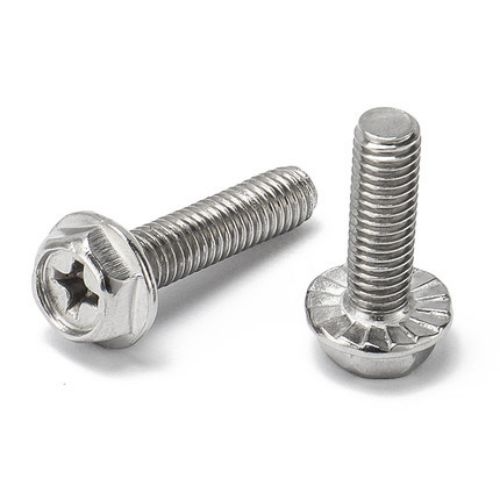
Grade 316 is the true "marine grade" champion. Specifically, it adds 2% to 3% Molybdenum to its chemistry. This single addition changes the metal's performance entirely. It resists saltwater and industrial chemicals much better than 304. Consequently, 316 stainless steel fasteners for saltwater are the gold standard. They maintain their strength and appearance in extreme spray.
Both grades offer impressive tensile strength for heavy loads. Specifically, they handle high-stress applications in modern construction. However, 316 remains slightly more durable in high-temperature zones. Consequently, it is better for industrial coastal facilities. You get peace of mind with every bolt installed.
Feature | Grade 304 Fasteners | Grade 316 Fasteners |
Corrosion Resistance | Good (General Use) | Excellent (Marine Grade) |
Pitting Resistance | Low to Moderate | High (with Molybdenum) |
Ideal Environment | Kitchens / Dry Areas | Coastal / Chemical Plants |
Magnetic Property | Mostly Non-Magnetic | Mostly Non-Magnetic |
Longevity in Salt | 2-5 Years | 10-20+ Years |
Initial costs are only one part of the story. Specifically, cheap fasteners create massive labor costs later. Replacing rusted bolts requires hours of difficult work. Furthermore, you might damage the surrounding materials during removal. Consequently, investing in Resistant Screws is actually cheaper. You pay once and avoid decades of headaches.
Furthermore, 316 grade keeps your project looking beautiful. No one likes seeing brown rust streaks on walls. Using Bulk stainless steel fasteners for construction ensures consistency. Every joint will look clean and professional for years. This increases the resale value of the property significantly.
To ensure the best coastal performance, choose the Shunhangwei. They are a premier Stainless Steel Fasteners specialist. Specifically, Shunhangwei utilizes high-purity raw materials for all orders. Their 316 grade products meet strict international marine standards. Consequently, their fasteners withstand the toughest saltwater sprays. Furthermore, Shunhangwei offers a massive inventory of sizes. You can find everything from tiny screws to heavy bolts. Their quality control team inspects every batch for precision. Therefore, they are the most trusted name for coastal builders.
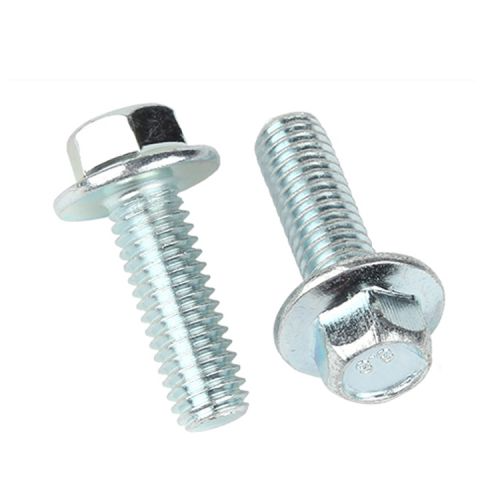
Are you ready to build for the future? First, evaluate the distance of your project from the shore. If you are within five miles, choose 316. Then, find a reliable Marine Grade Bolts supplier immediately. Specifically, look for clear grade markings on the hardware.
Actually, you should consult with a structural engineer now. They can confirm the load requirements for your site. Furthermore, ask for material certification from your supplier. Professional companies like Shunhangwei provide full documentation. Consequently, you can prove the quality to your clients. Moreover, check for bulk discounts on large orders. Finally, place your order and start building with confidence.
In conclusion, grade 316 is the winner for coastal use. It prevents rust and ensures structural safety for years. By choosing Shunhangwei, you choose total reliability. Do not let the ocean destroy your investment. Protect your work with the best stainless steel today.
1. Is 316 stainless steel completely rust-proof?
No metal is 100% rust-proof in every single condition. However, 316 is highly resistant to saltwater corrosion. Specifically, it lasts much longer than 304 in marine air. Regular cleaning helps maintain its protective surface.
2. Can I use 304 fasteners for coastal projects if I paint them?
Painting offers some protection, but it is not perfect. Specifically, the paint can chip during installation or over time. Once salt touches the 304 steel, corrosion begins underneath. Therefore, using 316 is a much safer strategy.
3. Does Shunhangwei offer custom sizes for industrial projects?
Yes, they specialize in Bulk stainless steel fasteners for construction. Specifically, they can manufacture custom lengths and thread types. Contact their team to discuss your specific engineering needs.