Imagine you are tightening a high-grade fastener. Suddenly, the movement stops. You try to turn it, but the threads lock permanently. This nightmare is "galling."
Engineers often call this "cold welding." It ruins your bolt and nut stainless steel components instantly. Furthermore, it causes expensive downtime in industrial projects.
Fortunately, you can prevent this mechanical frustration. This guide explains why galling happens. More importantly, we provide actionable steps to keep your fasteners moving smoothly.
Stainless steel relies on a protective oxide layer. This thin film prevents corrosion effectively. However, high friction can strip this layer away.
When the bare metal surfaces touch, they generate intense heat. The microscopic high points on the threads bond together. Consequently, the nut and bolt become a single, solid piece of metal.
Stainless steel is softer than carbon steel. It deforms more easily under pressure. Therefore, stainless steel galling occurs more frequently in this material class than others.
Fast installation creates rapid friction. This heat accelerates the bonding process. If you ignore temperature control, your project faces a high risk of failure.
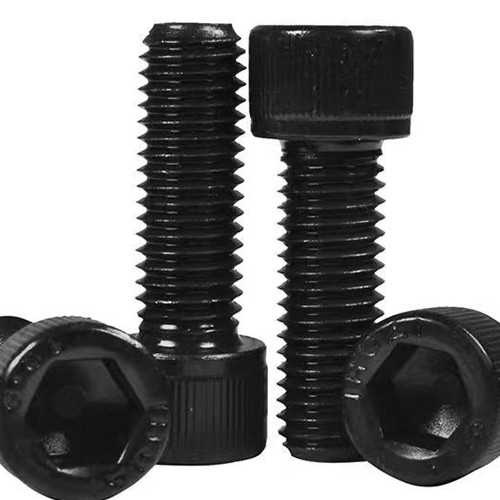
Preventing thread seizure starts before you pick up a wrench. Follow these stainless steel fastener installation best practices to ensure success.
Lubrication is your first line of defense. It creates a physical barrier between the metal surfaces.
Anti-seize lubricant: Use specialized nickel or graphite-based compounds.
PTFE Tapes: These reduce friction significantly on threaded joints.
Wax coatings: Some manufacturers apply professional wax to reduce torque resistance.
Always apply anti-seize lubricant evenly across the entire threaded area. This simple step eliminates over 90% of galling issues.
Power tools are convenient but dangerous for stainless steel. High-speed impact wrenches generate localized heat quickly.
Instead, use hand tools for the final tightening phase. If you must use power tools, keep the RPM low. Steady, slow pressure prevents the oxide layer from breaking down.
Dirt and grit act as abrasives. Small particles can puncture the protective oxide film.
Always inspect your bolt and nut stainless steel for debris. Wipe the threads with a clean cloth before assembly. A clean surface ensures the lubricant works as intended.
If you work on large-scale infrastructure, basic tips might not suffice. You need professional-grade strategies.
Galling often happens when the nut and bolt are the same grade. For example, using a 304 bolt with a 304 nut increases risk.
Try using a Grade 316 nut with a Grade 304 bolt. The difference in hardness prevents the metals from "recognizing" each other. This tactic significantly lowers the bonding potential.
Specifically, ensure the nut is slightly harder than the bolt. Hardness differentials prevent the microscopic surfaces from interlocking easily. Consult your supplier for specific Rockwell hardness ratings.
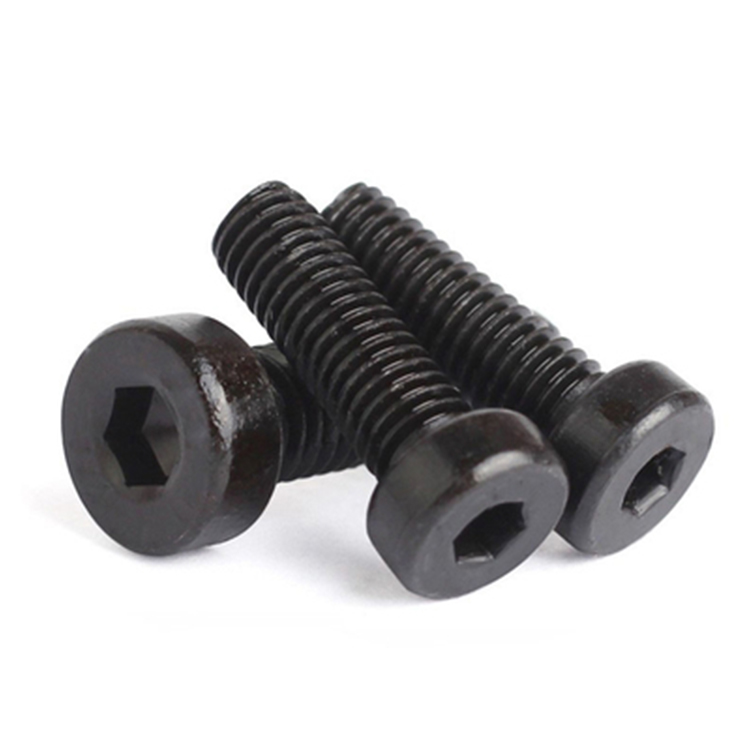
Experience is often the best teacher. Let’s look at a famous case from the Eng-Tips Engineering Forums.
The Forum Case Study:A structural engineer reported a 40% failure rate during a bridge project. The crew used 316-grade bolt and nut stainless steel without lubrication. They used high-speed pneumatic drivers to save time.
The result? Hundreds of seized bolts required cutting and replacement.
The Solution:The team switched to manual torque wrenches. They also applied a molybdenum-disulfide anti-seize compound. Immediately, the galling rate dropped to near zero. This case proves that "saving time" often costs more in the end.
To master how to prevent bolt seizing, you need the right kit. Keep these items in your toolbox:
Digital Torque Wrench: Accurate tension prevents over-tightening.
Thread Cleaning Brush: Removes oxidation and workshop dust.
High-Quality Anti-Seize: Choose a brand rated for your specific environment.
Replacement Washers: These help distribute the load evenly.
FAQ:Can I reuse a galled bolt?No. Once galling occurs, the threads are physically damaged. Attempting to force them apart weakens the metal. Always replace galled hardware. Does "Cold Weather" affect galling?Yes. Extreme temperatures change the viscosity of lubricants. Ensure your lubricant is rated for your working environment. Is galling a sign of poor quality?Not necessarily. It is an inherent physical property of stainless steel. Even the most expensive fasteners will gall if installed incorrectly. |
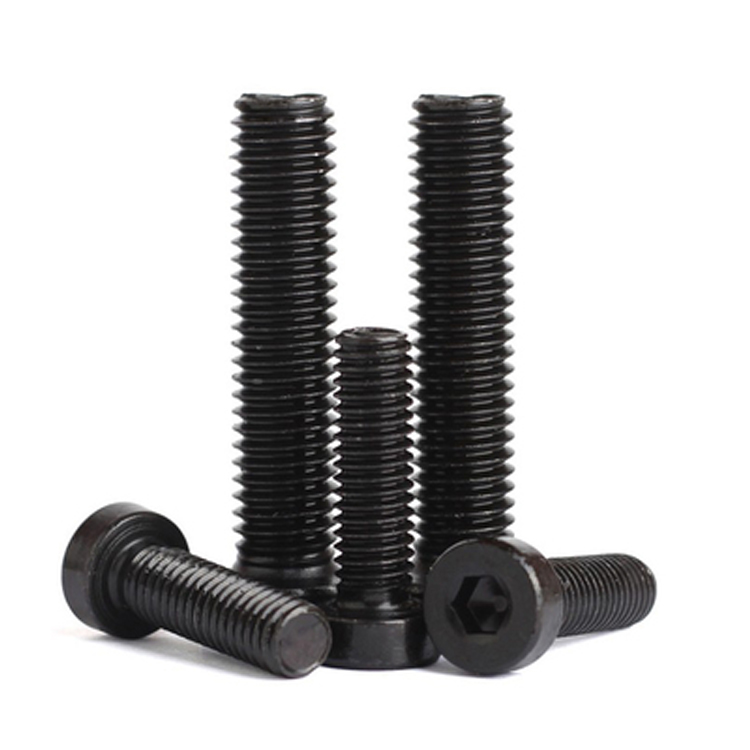
Successful installation of a stainless steel bolt and nut requires a shift in mindset. You must prioritize precision over speed. By using anti-seize lubricant and slowing down your process, you protect your equipment. These steps save money and prevent structural failures. Don't let a simple physical reaction ruin your hard work.