Heavy machinery operates under extreme stress, vibration, and massive loads every single day. Consequently, the integrity of the entire structure depends on the quality of its smallest components. Choosing the wrong heavy machinery fasteners can lead to catastrophic mechanical failure and costly downtime. Engineers must prioritize tensile strength and fatigue resistance when selecting hardware for industrial equipment. Furthermore, environmental factors like corrosion and temperature fluctuations influence the lifespan of these vital parts. This guide explores the different grades of screws and nuts specifically designed for heavy-duty applications. We will help you understand the technical standards required to keep your machinery running safely.
Fastener grades indicate the mechanical properties of the metal, specifically its yield and tensile strength. You must recognize these markings to ensure your equipment can handle its intended workload.
The metric system uses two numbers to define the strength of a bolt. The first number represents one-hundredth of the nominal tensile strength in N/mm. Meanwhile, the second number indicates the ratio between the yield strength and tensile strength. For heavy-duty applications, Grade 10.9 and Grade 12.9 are the industry standards.
Grade 12.9 screws offer the highest strength available for standard mechanical engineering tasks. These bolts undergo rigorous heat treatment to achieve a tensile strength of approximately 1220 MPa. Therefore, they are ideal for high-vibration environments like engine blocks or hydraulic presses.
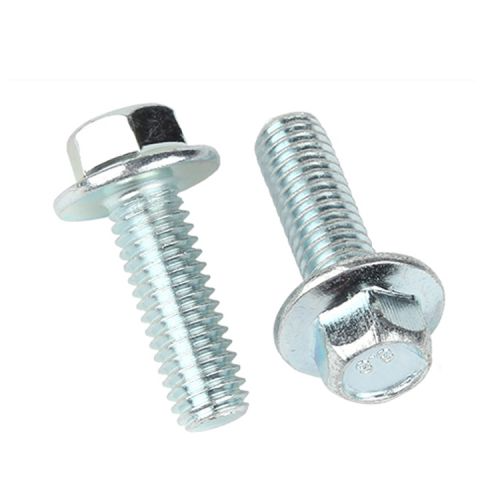
The chemical composition of a bolt determines how it reacts to stress and environmental hazards. You must match the material to the specific operational demands of your machine.
Alloy Steel: Most high-strength fasteners use quenched and tempered alloy steel for maximum toughness.
Stainless Steel: Use this only when corrosion resistance is more important than raw tensile strength.
Carbon Steel: Standard carbon steel works well for low-stress components but fails in heavy-duty structural joints.
Protective Coatings: Zinc plating or black oxide finishes help prevent rust in outdoor or humid environments.
Selecting the right material reduces the risk of hydrogen embrittlement in high-tensile applications. This ensures that your heavy machinery fasteners do not snap unexpectedly under a heavy load.
A common mistake in maintenance is focusing only on the bolt while ignoring the nut. However, the nut must always match or exceed the strength of the bolt.
If you use a Grade 12.9 bolt, you must use a Grade 12 nut. A weaker nut will experience "thread stripping" long before the bolt reaches its maximum tension. This imbalance creates a weak point that compromises the safety of the entire assembly.
Fine-thread fasteners provide higher tension and better vibration resistance than coarse-thread options. For heavy machinery, fine threads allow for more precise torque adjustments during the assembly process.
Selecting a fastener requires more than just looking at a chart. Experts calculate "shear stress" and "clamping force" to ensure a joint remains secure under dynamic loads. Our recommendations rely on established mechanical engineering principles used in global manufacturing.
Trustworthy hardware must comply with international standards such as ISO 898 or ASTM A490. These standards guarantee that the heavy machinery fasteners have passed strict quality control tests. Always verify that your supplier provides mill test reports (MTR) for critical high-strength components.
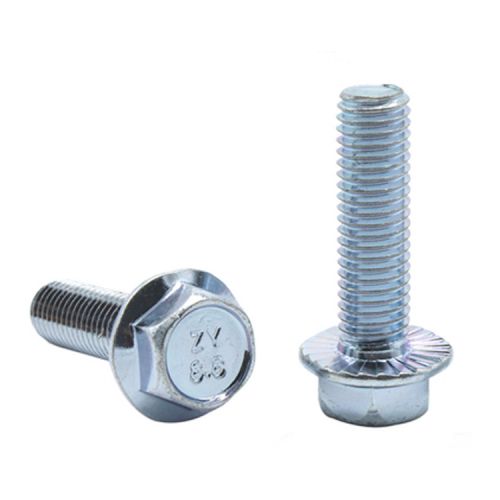
Industrial environments often subject machinery to harsh chemicals, extreme heat, or saltwater. You must consider these external forces during the procurement process.
High-Temperature Stability: Some steels lose their temper and soften when exposed to constant heat over 300 °C.
Corrosive Exposure: Chemical plants or offshore rigs require specialized coatings like Dacromet or Teflon.
Vibration and Loosening: Heavy vibrations can cause even high-strength bolts to back out over time.
Galvanic Corrosion: Avoid mixing dissimilar metals, such as aluminum and carbon steel, without proper insulation.
To combat vibration, many engineers utilize locking nuts or specialized wedge-locking washers. These additions ensure the heavy machinery fasteners stay tight during intense operational cycles.
Even the highest-grade bolt will fail if you do not tighten it correctly. Achieving the proper "pre-load" is essential for a reliable mechanical joint.
Over-tightening can stretch a bolt beyond its elastic limit, causing permanent damage to the metal structure. Conversely, under-tightening allows for movement, which leads to fatigue failure and sheared bolts. Therefore, you must follow the manufacturer’s specific torque specifications for every Grade 10.9 or 12.9 installation.
Adding oil or grease to threads significantly changes the amount of friction during tightening. Always check if the torque values are for "dry" or "lubricated" threads to avoid over-stressing the fastener.
Misinformation in the workshop can lead to dangerous mistakes. Let us clarify two frequent misconceptions about industrial hardware.
Myth 1: Stainless steel is always better because it doesn't rust.
In reality, most stainless steel bolts are much weaker than Grade 10.9 alloy steel. Never replace a high-strength structural bolt with a stainless one unless the load requirements allow it.
Myth 2: You can always reuse high-strength bolts.
Many heavy machinery fasteners are "torque-to-yield" components. This means they stretch permanently when installed. Reusing these bolts can lead to sudden snapping because the metal has already reached its limit.
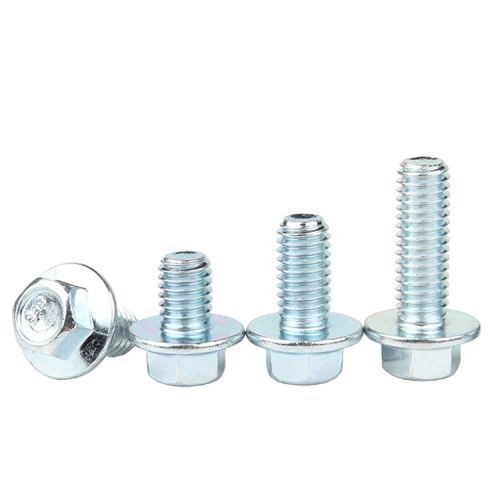
Selecting the correct grade of screws and nuts is a non-negotiable part of machinery maintenance. Grade 10.9 and 12.9 alloy steels remain the top choices for heavy machinery fasteners due to their immense strength. Always ensure that your nuts match the bolt grade and that you apply the correct torque. By prioritizing technical expertise and international standards, you protect your equipment and your workforce. Quality fasteners are a small investment that prevents incredibly expensive failures.